Source Engine Thermostat for Benz Car Cooling, Heating, and Temperature Control
Find 30 verified engine coolant thermostat options for benz car engine thermostat applications. Compare specifications, prices, and customization features from suppliers in Zhejiang, Wenzhou, and Shandong to ensure reliable cooling system performance; compare the available evidence and request quotations based on your requirements.
Key considerations
Products List


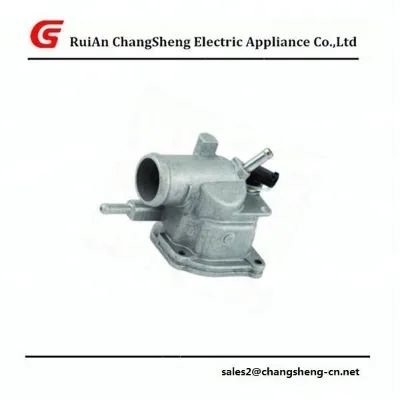
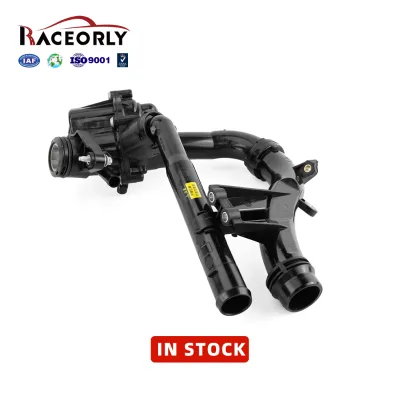
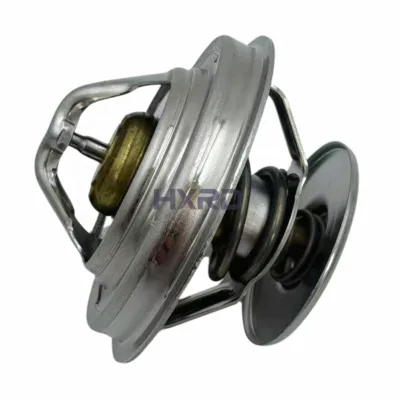
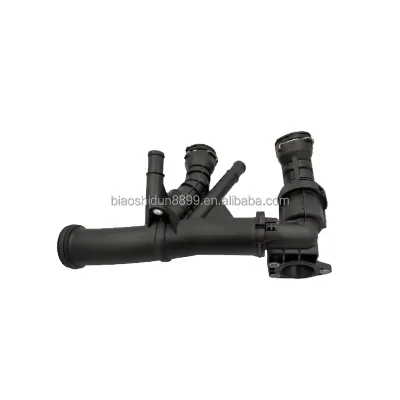

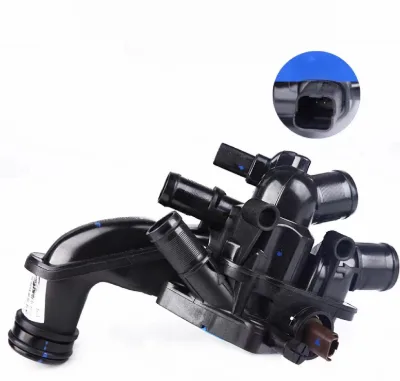


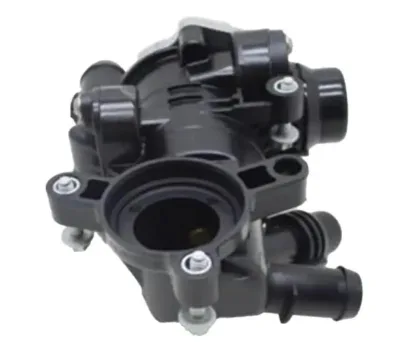
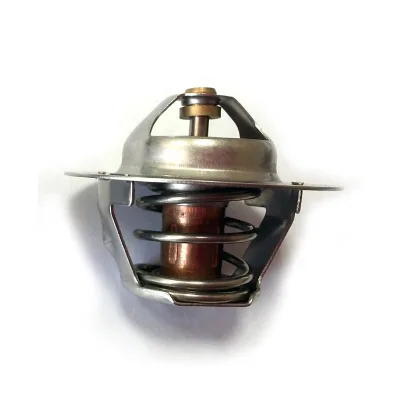
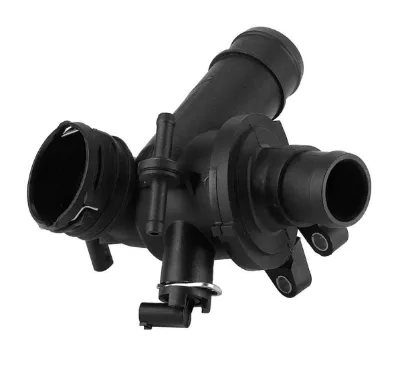
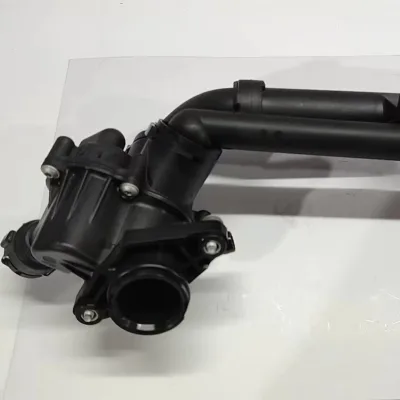
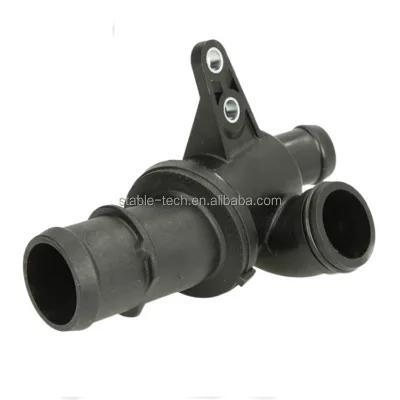
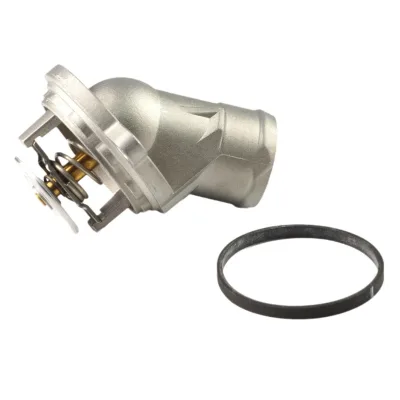
Comprehensive Sourcing Guide
For Benz Car Engine Thermostat Sourcing Guide
Sourcing replacement thermostats for Mercedes-Benz vehicles requires precise alignment with original equipment specifications to ensure optimal engine thermal management. The supplied data indicates a diverse range of products, including switch-type and digital-type water temperature sensors, which serve as critical components in the cooling system. Buyers must distinguish between sealed-type structures and those utilizing glycerin as a cooling fluid, as these material differences directly impact response time and durability under varying load conditions.
The observed market signals reveal significant variation in product origins, with suppliers located in Zhejiang, Wenzhou, Shandong, and Guangzhou. This geographic dispersion suggests a competitive supply chain but necessitates rigorous verification of manufacturing capabilities. Procurement teams should prioritize suppliers who explicitly state OE numbers such as 6512000615 or model codes like A651.200.06.15, ensuring that the replacement part matches the specific engine architecture of the target Mercedes-Benz model.
Product Scope and Observed Listing Signals
The current listing landscape shows a price range of 0.9 to 61.78 USD, reflecting a wide spectrum of quality tiers and material compositions. Products are constructed from steel, iron, or aluminum bodies, with colors ranging from standard silver to customized black finishes. The minimum order quantities vary from 1 to 1000 pieces, allowing for both small-scale trial orders and large-volume industrial procurement. Buyers should note that customization is available, which may affect lead times and unit costs significantly.
Packaging methods observed include Naqin packing, cartons, pallets, wooden cases, and box types, indicating varied logistical preparedness among suppliers. Delivery times are notably inconsistent, with some suppliers offering rapid 7-15 day turnaround while others require up to 60 days. This discrepancy highlights the importance of aligning inventory needs with supplier capacity. Procurement decisions should weigh the cost savings of lower-priced items against the potential risks of longer lead times and less standardized packaging that could damage sensitive thermal components during transit.
Technical Specifications to Verify
Verifying the exact model number is paramount, as listings reference specific codes like 6512000615, 274.200.06.15, and 80301018. These identifiers must match the vehicle’s engine control unit requirements to prevent communication errors or improper thermal regulation. The temperature rating of 97℃ is a critical parameter for many applications, ensuring the thermostat opens at the correct threshold to maintain engine efficiency. Buyers must confirm that the specified temperature aligns with the manufacturer’s engineering specifications for the particular Mercedes-Benz chassis.
Structural integrity and sensor type are equally vital considerations. The data highlights both switch-type and digital-type water temperature sensors, each requiring different integration protocols within the vehicle’s cooling system. Sealed-type structures are preferred for their resistance to coolant leakage and environmental corrosion. Additionally, the radiator type, described as direct-flow in some listings, influences the flow dynamics and heat exchange efficiency. Procurement teams should request detailed dimensional drawings to ensure physical compatibility with existing mounting points and hose connections.
Compliance and Safety Documentation
Certification status serves as a primary indicator of manufacturing reliability and adherence to international quality standards. Several suppliers list IATF16949 and ISO9001 certifications, which are essential for automotive component suppliers to demonstrate consistent quality management systems. Other listings mention CCC, ISOCE, RoHS, and TSC certifications, indicating compliance with specific regional and environmental regulations. Buyers must verify the validity of these certificates and ensure they cover the specific production facilities supplying the thermostats.
Safety and environmental compliance are non-negotiable for automotive parts entering global markets. The presence of RoHS certification suggests that materials used in the thermostat construction, such as the steel or aluminum body, comply with restrictions on hazardous substances. This is particularly important for components that may come into contact with cooling fluids or be disposed of at end-of-life. Procurement contracts should explicitly require proof of current certification status to mitigate regulatory risks and ensure that the supplied parts meet all legal requirements for sale and installation.
Cost Drivers and Commercial Terms
Payment terms are standardized across many listings, with T/T and a 30% deposit being the most common requirement. This structure helps suppliers manage raw material costs while providing buyers with a clear financial commitment mechanism. The observed MOQ of 300 PCS for some items suggests that economies of scale play a significant role in pricing. Buyers seeking smaller quantities may face higher unit prices or limited supplier options, necessitating careful budget planning for maintenance and repair operations.
Customization options introduce additional cost variables that must be factored into the total cost of ownership. While customization is available, it often extends lead times and may require tooling investments or minimum volume commitments. The choice between standard steel, iron, or aluminum bodies also impacts pricing, with aluminum potentially offering better thermal conductivity but at a higher material cost. Buyers should negotiate clear terms regarding price stability and volume discounts to protect against market fluctuations in raw material costs.
Supplier Qualification and Quality Control
Quality assurance processes are a critical differentiator among suppliers, with many claiming 100% testing of their products before shipment. This rigorous inspection protocol helps ensure that every thermostat meets the specified temperature and electrical performance criteria. Buyers should inquire about the specific testing methods used, such as thermal cycling or electrical continuity checks, to verify the robustness of the quality control system. Consistent quality is essential to prevent premature failures that could lead to engine overheating and costly repairs.
Origin and manufacturing location provide insights into the supplier’s logistical capabilities and supply chain resilience. Suppliers in Zhejiang, Wenzhou, Shandong, and Guangzhou offer diverse logistical advantages, but buyers must assess their ability to maintain consistent production schedules. The variation in delivery times from 7-15 days to 60 days indicates differing levels of inventory management and production capacity. Procurement teams should evaluate suppliers based on their ability to meet delivery commitments consistently, as delays can disrupt vehicle maintenance schedules and customer satisfaction.
Long-Term Procurement Checks
Establishing a long-term partnership requires ongoing monitoring of product performance and supplier reliability. Buyers should implement a feedback loop to track the field performance of the thermostats, noting any issues related to temperature regulation or sensor accuracy. This data-driven approach allows for continuous improvement and helps identify suppliers who consistently deliver high-quality products. Regular audits of supplier quality management systems can also ensure that certifications remain valid and that production processes continue to meet required standards.
Standardization of procurement specifications is crucial for simplifying the supply chain and reducing complexity. By defining clear technical requirements, such as OE numbers, material types, and certification needs, buyers can streamline the evaluation process and reduce the risk of errors. Maintaining a qualified supplier list with verified performance records enables faster decision-making and better negotiation leverage. Long-term success depends on building relationships with suppliers who demonstrate commitment to quality, compliance, and reliable delivery, ensuring a stable supply of critical engine components.
FAQs
What is the lead time for for benz car engine thermostat orders?
The standard delivery time is 60 days for most orders, though some suppliers offer expedited shipping within 7-15 days. This variation depends on the specific manufacturer's production schedule and current inventory levels. Buyers should confirm the exact timeline with the supplier before placing the deposit to ensure alignment with project deadlines.
Can for benz car engine thermostat be customized for specific applications?
Yes, customization is available for these thermostats to meet specific vehicle requirements. Suppliers offer options for customized packaging, such as Naqin Packing or standard cartons, and can adjust color to silver or black. The product model and OE number, like 6512000615, can be matched to ensure proper fitment for Mercedes-Benz cooling systems.
What certifications do for benz car engine thermostat manufacturers hold?
Reputable manufacturers typically hold IATF16949 and ISO9001 certifications, ensuring quality management standards are met. Some suppliers also provide CCC, ISOCE, and RoHS certifications for broader market compliance. These credentials verify that the production processes adhere to international automotive industry standards, providing buyers with confidence in the reliability and safety of the thermostat components.
What is the minimum order quantity for for benz car engine thermostat?
The minimum order quantity generally starts at 300 pieces, although some suppliers may accept orders as low as 1 piece for testing. The observed MOQ range spans from 1 to 1000 units depending on the vendor. Buyers should verify the specific MOQ with the supplier, as larger orders may qualify for better pricing or customized packaging solutions.
How is the quality of for benz car engine thermostat ensured?
Quality is ensured through 100% testing before shipment, guaranteeing that each unit meets performance standards. The thermostats are designed with a sealed structure and use materials like steel or iron for durability. Additionally, the products are OE standard size, ensuring direct replacement compatibility for Mercedes-Benz models without requiring modifications to the cooling system.
Where are for benz car engine thermostat products manufactured?
These thermostats are primarily manufactured in China, with key production hubs located in Zhejiang, Wenzhou, Shandong, and Guangzhou. The origin location can influence shipping logistics and lead times. Buyers can select suppliers based on their preferred manufacturing region to optimize supply chain efficiency and reduce transportation costs for bulk orders.